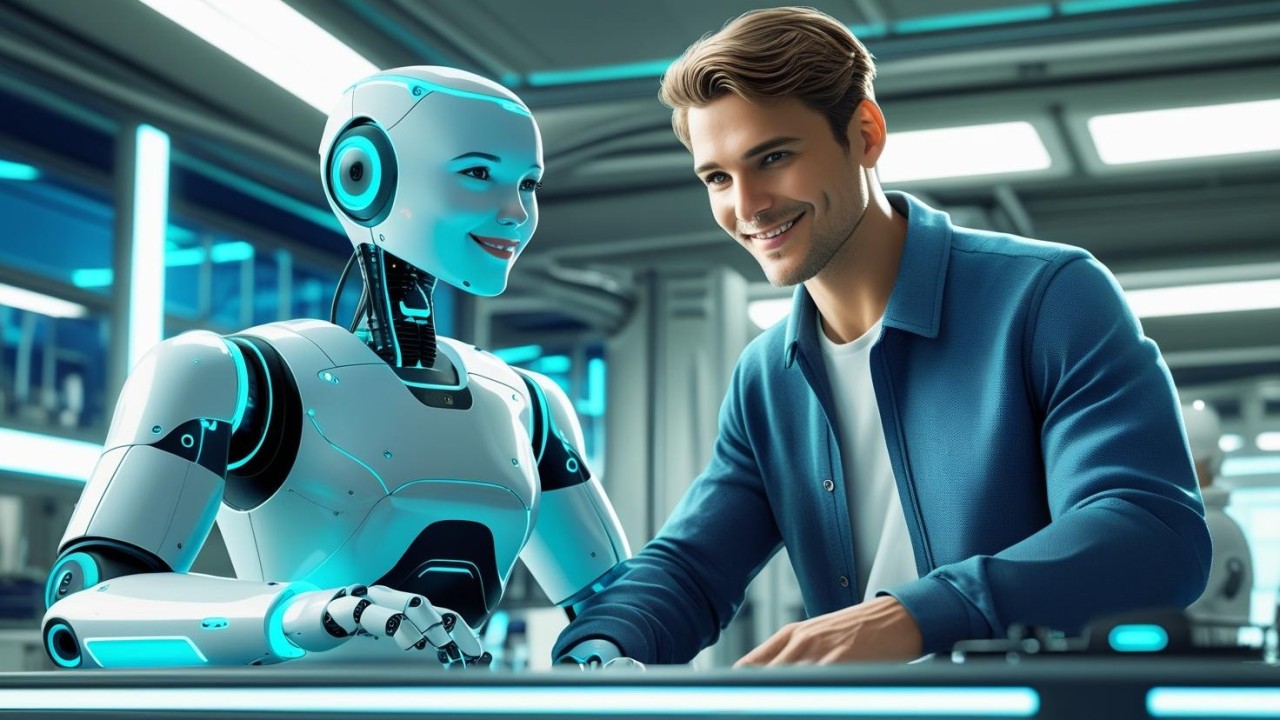
Robots have long been associated with assembly lines, industrial arms, and highly controlled environments. For decades, they were seen as powerful but rigid machines designed to perform repetitive tasks with precision. But as advances in artificial intelligence, sensor technologies, and human–machine interfaces unfold, the world of robotics is transforming rapidly. The next era is not about robots replacing humans, but about robots working with humans through collaboration, adaptability, and shared intelligence.
The shift from traditional automation to human-centric robotics marks one of the most important technological evolutions of the decade. Historically, industrial robots operated within fenced-off areas to avoid harming workers. These robots were strong, fast, and efficient, but they lacked awareness and flexibility. Today, collaborative robots, or cobots, are designed to safely interact with humans in shared spaces. Equipped with advanced vision systems, pressure sensors, and algorithms that detect human intent, cobots slow down or halt when a person approaches. This allows them to assist with delicate tasks such as electronics assembly, medical lab workflows, and precision packaging—operations that require both human intuition and robotic accuracy.
One of the biggest drivers of this collaborative future is the rise of AI-powered perception. Modern robots can interpret their surroundings using deep learning, enabling object recognition, gesture interpretation, and real-time decision-making. Instead of following preprogrammed paths, they can dynamically adjust their actions based on changing environments. This adaptability is crucial in industries like logistics, where robots sort packages of varying shapes and sizes, and in agriculture, where robotic harvesters navigate unpredictable fields to identify ripe crops.
Another major advancement is robot mobility. The days of robots being bolted to the floor are fading. Autonomous mobile robots (AMRs) can navigate through factories, hospitals, and even retail environments using simultaneous localization and mapping (SLAM) technology. These robots deliver materials, transport goods, and streamline workflows without requiring expensive, static infrastructure. Hospitals use AMRs to carry medications, linens, and equipment, freeing up medical staff for more critical human-centered tasks. In warehouses, AMRs work alongside human pickers to dramatically increase efficiency while reducing physical strain.
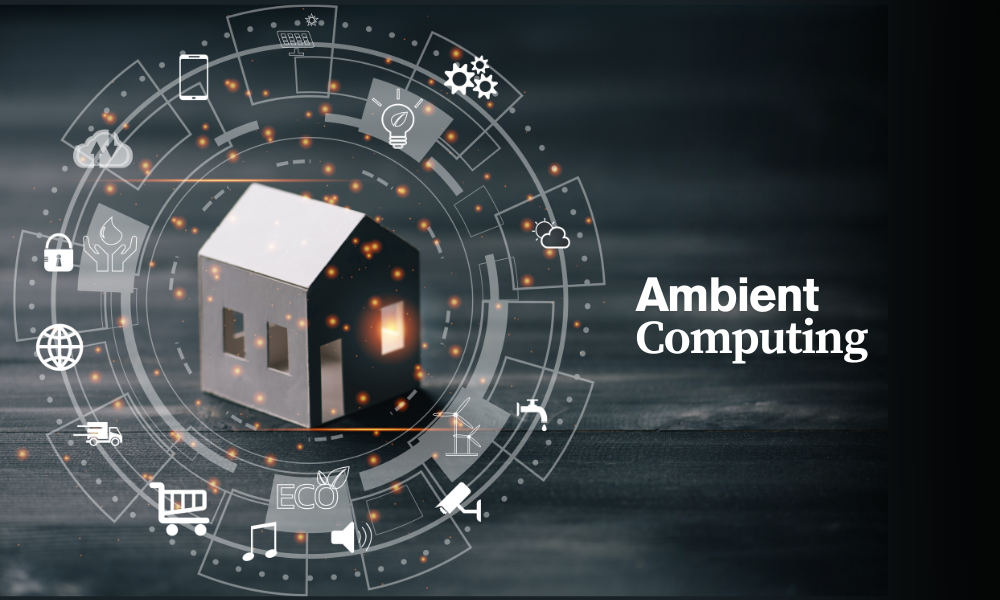
In consumer spaces, robotics is evolving just as quickly. Home robots—once a novelty—have become increasingly capable. Robotic vacuum cleaners were the first wave, and now companies are developing personal assistant robots that can help with chores, monitor safety, or provide companionship. Some advanced models can map rooms, understand voice commands, recognize family members, and even detect emergencies. As households grow more connected through IoT, robots will integrate seamlessly into daily routines, offering a blend of convenience and care.
Another area witnessing transformative growth is medical robotics. Surgical robots are enabling minimally invasive procedures with unparalleled precision. Rather than replacing surgeons, these systems enhance a surgeon’s capability, offering finer control, improved ergonomics, and access to areas of the body that are difficult to reach manually. Rehabilitation robots assist patients recovering from injuries or neurological conditions, providing consistent and personalized therapy. As AI matures, robotic systems may be able to adapt rehabilitation plans in real time based on patient progress.
Yet despite their promise, robots also bring challenges—ethical, social, and economic. There are concerns about job displacement, especially in industries where robots outperform human labor. However, experts increasingly argue that robots will shift—not erase—job roles. As automation expands, new careers will emerge in robot maintenance, system integration, AI oversight, and human–robot interaction design. Another concern is safety. While cobots are designed with safeguards, ensuring safe interaction in unpredictable environments requires continuous research and rigorous standards.
The future of robotics will also depend heavily on public trust. Transparent design, intuitive interfaces, and clear communication about robot capabilities will be essential. People must feel comfortable interacting with machines that work beside them. As robots become more capable, striking the right balance between autonomy and human oversight will be crucial to avoiding overdependence or misuse.
Looking ahead, the rise of human-centric robotics could be as transformative as the industrial revolution—only this time, the focus is on partnership rather than replacement. Robots will take on the dangerous, repetitive, and physically taxing tasks, allowing humans to focus on creativity, complex reasoning, and emotional intelligence. The industries of tomorrow will be built not on the separation of human and machine, but on their integration.
Robotics is entering a new chapter—one defined by collaboration, adaptability, and shared intelligence. As technology continues to advance, the line between human and robotic capability will blur, unlocking new possibilities across every sector of society. The future is not about robots taking over; it’s about robots lifting us to new heights.