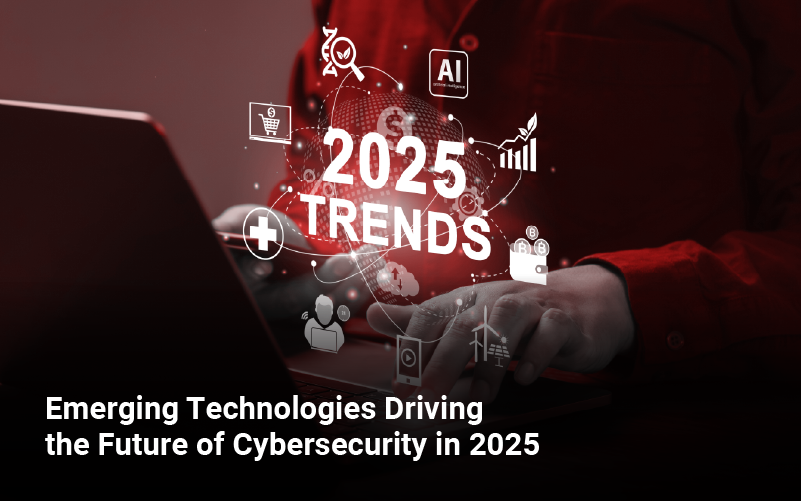
Cybersecurity has always been a race between attackers and defenders, but in 2025 the stakes have never been higher. As digital systems become more interconnected and artificial intelligence becomes deeply embedded in both personal and professional workflows, the threat landscape is evolving at an unprecedented pace. Cybercriminals are leveraging automation, AI-driven attacks, and sophisticated social engineering techniques, forcing businesses, governments, and individuals to rethink how they protect their digital environments. Cybersecurity is no longer a specialized discipline—it’s a fundamental requirement for everyday life.
One of the most significant shifts in recent years is the rise of AI-powered cyber threats. Attackers are using machine learning to analyze vulnerabilities, automate exploitation, and deploy malware that adapts to its environment. Traditional antivirus tools rely on signature-based detection, but modern threats can mutate rapidly, making them difficult to identify through old methods. For example, polymorphic malware can rewrite parts of its own code, making each variant look different despite performing the same malicious activity. This means cybersecurity solutions need to be just as intelligent, using behavioral analysis and AI-driven detection to identify suspicious patterns rather than known signatures.
Another major challenge is the growth of ransomware-as-a-service (RaaS). Instead of hackers needing advanced technical skills, cybercriminals can now purchase ransomware kits on underground marketplaces. These prebuilt tools come with dashboards, support documentation, and even customer help desks—turning cybercrime into a commercialized ecosystem. Ransomware attacks no longer target only large corporations; small businesses, hospitals, schools, and even individual users are being hit. The financial and operational damage from these attacks can be devastating, often leading to weeks of downtime and significant data loss.
As more organizations move their infrastructure to the cloud, cloud security has become a central priority. While cloud providers implement strong security controls, misconfigurations by users remain one of the most common causes of breaches. A single misconfigured storage bucket or exposed API can provide attackers with direct access to sensitive data. The shared-responsibility model means companies must understand which security measures are handled by the provider and which must be managed internally. Identity and access management (IAM), encryption, and continuous monitoring are essential elements of modern cloud defense.
Another growing concern is the explosion of Internet of Things (IoT) devices. Smart homes, wearables, medical devices, industrial sensors, and even vehicles are now connected to the internet. While these technologies provide convenience and innovation, they also expand the attack surface drastically. Many IoT devices lack proper security updates, strong authentication, or encrypted communication. Once compromised, they can be used as entry points into larger networks or recruited into massive botnets that launch distributed denial-of-service (DDoS) attacks.
Cybersecurity experts are also warning about the dangers of deepfake and social engineering attacks. AI-generated audio and video are becoming so realistic that they can convincingly impersonate executives, political leaders, or private individuals. There have already been cases where deepfake voice calls were used to authorize fraudulent financial transfers. Combined with phishing emails, fake websites, and data harvested from social networks, social engineering attacks are becoming nearly indistinguishable from legitimate communication. Training employees and verifying requests through multi-step authentication are increasingly vital.
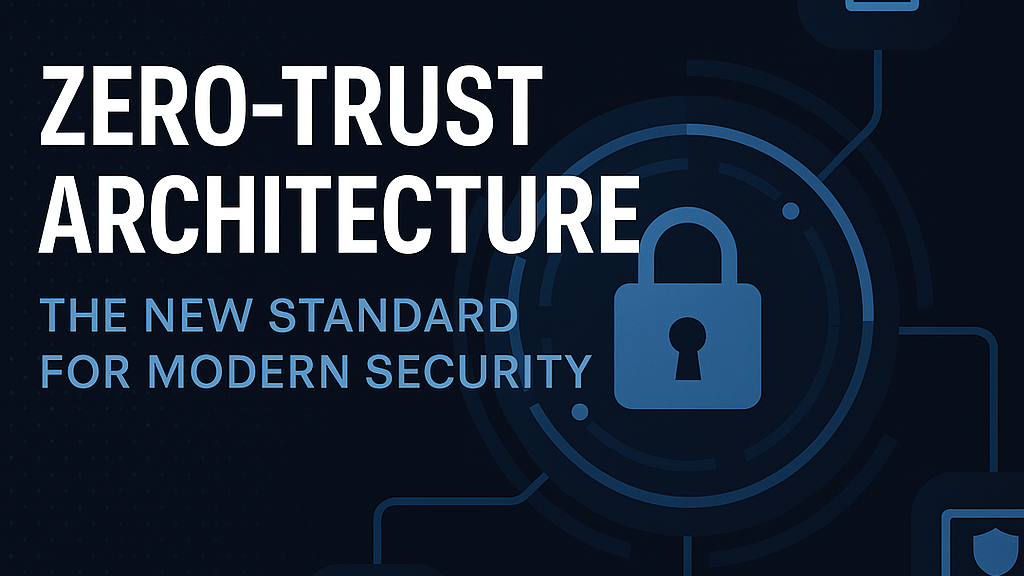
In response to evolving threats, organizations are adopting zero-trust security models. Instead of assuming that users inside a network are trustworthy, zero-trust requires continuous verification of every device, user, and request. This approach minimizes the impact of breaches because attackers cannot easily move laterally through systems. Zero-trust relies on strict identity management, micro-segmentation, and real-time monitoring, making it one of the most effective strategies in the modern security landscape.
Another promising development is the integration of security automation and orchestration (SOAR) tools. These platforms automate incident detection, response, and reporting, reducing the workload on cybersecurity teams. As cyber threats grow more complex and talent shortages persist, automation helps organizations react faster and more efficiently. Instead of manually investigating every alert, teams can focus on the highest-risk incidents while automated tools handle routine tasks.
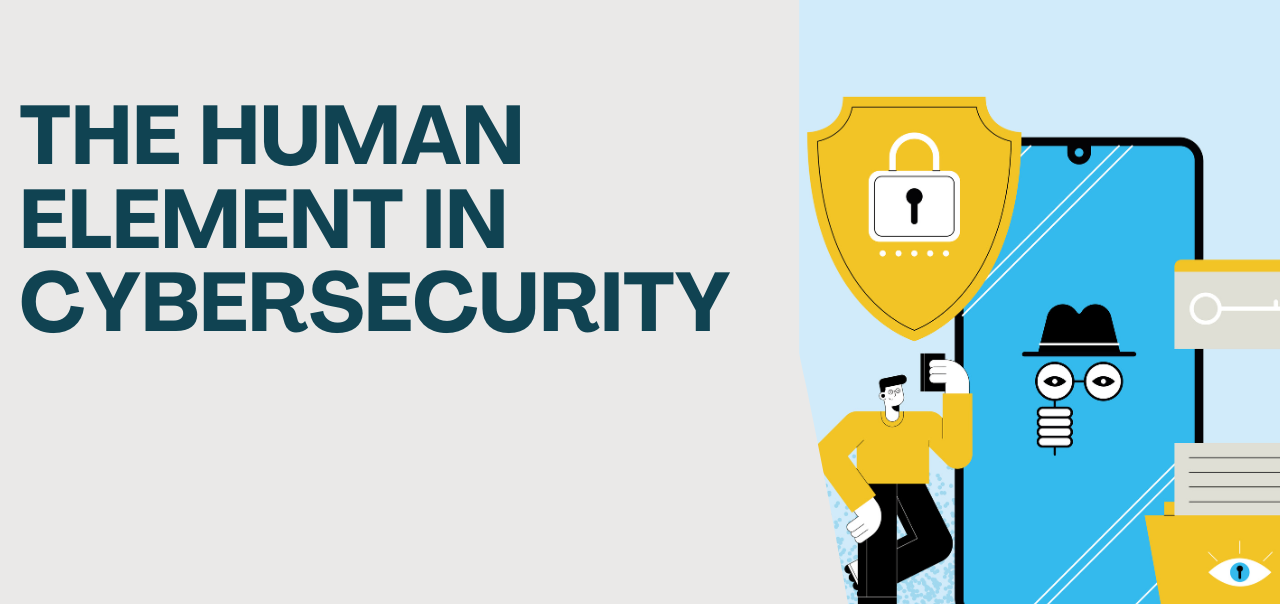
Despite advanced tools and technologies, the human factor remains a major vulnerability. Most breaches occur due to simple mistakes—weak passwords, falling for phishing scams, or ignoring security updates. Building a strong cybersecurity culture is just as important as deploying advanced tools. Regular training, multi-factor authentication, and strict access controls are critical for reducing human errors.
Cybersecurity in 2025 is defined by rapid evolution, advanced threats, and the growing importance of proactive defense. As attackers become more sophisticated, defenders must embrace AI, adopt zero-trust strategies, secure cloud environments, and cultivate strong security awareness. The future of cybersecurity will depend not only on technology but on our collective ability to recognize threats and safeguard the digital world.